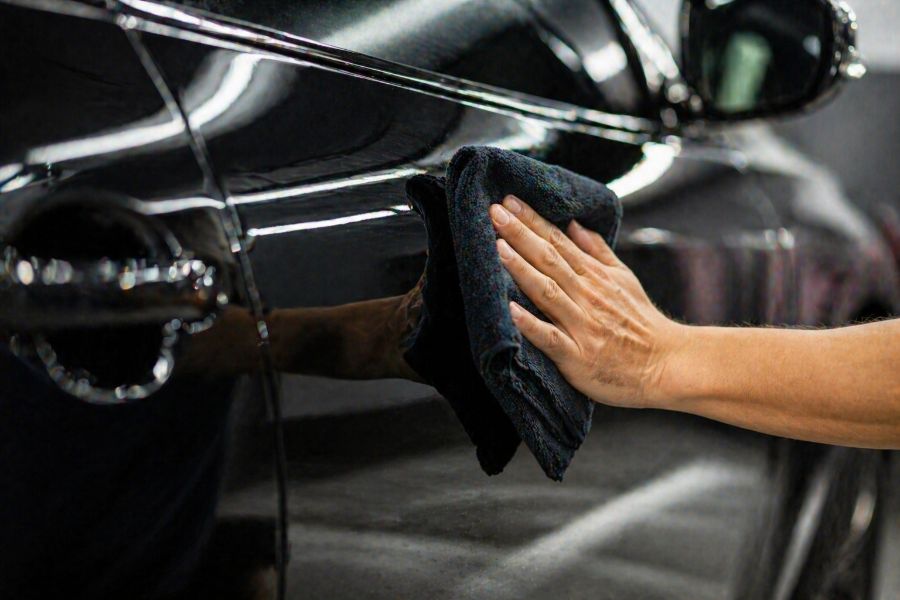

Car detailing and environmental responsibility might seem at odds—traditional detailing uses significant water, harsh chemicals, and generates waste. But it doesn’t have to be this way. Eco-friendly detailing delivers professional results while minimizing environmental impact.
This guide will show you how to keep your vehicle pristine while being kind to the planet.
The Environmental Impact of Traditional Detailing
Understanding the problem helps us appreciate the solutions.
Water Consumption
Traditional Car Wash:
- Uses 80-140 gallons per wash
- Most water runs into storm drains
- Carries chemicals, oil, and contaminants
- Pollutes waterways and groundwater
Annual Impact (washing weekly):
- 4,160-7,280 gallons per vehicle
- 50+ million vehicles washed regularly
- Billions of gallons wasted annually
Chemical Pollution
Harmful Ingredients:
- Phosphates (algae blooms in waterways)
- Petroleum distillates (toxic to aquatic life)
- Alkylphenol ethoxylates (hormone disruptors)
- Ammonia (respiratory irritant, water pollutant)
- Volatile Organic Compounds (air pollution, smog)
Waste Products:
- Contaminated wastewater enters storm drains
- Chemicals accumulate in soil and water
- Microplastics from synthetic materials
- Non-biodegradable packaging waste
Waterless and Low-Water Washing
The most impactful change you can make is reducing water consumption.
Waterless Wash Products
How They Work:
- Polymers encapsulate dirt particles
- Lubricants prevent scratching
- Wipe away dirt without rinsing
- Leave protective coating
Top Eco-Friendly Products:
Optimum No Rinse (ONR):
- 1-2 gallons total per wash
- Biodegradable formula
- Multiple uses (wash, clay lube, quick detailer)
- Exceptional value and results
Eco Touch Waterless Car Wash:
- Completely waterless
- Plant-based ingredients
- Biodegradable packaging
- Carbon-neutral shipping
Aero Cosmetics Wet or Waterless:
- Aerospace-grade formula
- Non-toxic, biodegradable
- Works wet or dry
- Professional results
Waterless Wash Technique
Proper Process:
-
Remove loose dirt first:
- Blow off dust with air
- Remove large debris by hand
- Don’t waterless wash heavily soiled vehicles
-
Spray generously:
- Saturate the section
- Don’t scrimp on product
- Let it dwell 10-20 seconds
-
Wipe one direction:
- Use microfiber towel
- Straight lines, not circles
- Flip to clean side frequently
-
Buff to shine:
- Second clean towel
- Remove any residue
- Enjoy the gloss
Water Saved: 95-99% reduction (138 gallons → 1-2 gallons)
Rinseless Wash Method
For moderately dirty vehicles, rinseless washing uses minimal water with maximum efficiency.
Two-Bucket Rinseless Method:
Setup:
- Bucket 1: 2 gallons water + rinseless wash
- Bucket 2: 2 gallons rinse water with grit guard
- Microfiber wash mitt
- Drying towels
Process:
- Pre-rinse (optional): Quick spray-down (5 gallons max)
- Wash panel by panel
- Rinse mitt in bucket 2 after each panel
- Reload mitt in bucket 1
- Final wipe with damp towel
- Dry with waffle-weave towel
Water Used: 4-9 gallons total (vs 100+ gallons traditional)
Biodegradable and Plant-Based Products
Choose products that break down naturally without harming ecosystems.
Reading Labels
Look For:
- “Biodegradable” certification
- Plant-based surfactants
- Non-toxic to aquatic life
- VOC-free formulas
- Concentrated formulas (less packaging/shipping)
Avoid:
- Petroleum distillates
- Phosphates
- Ammonia
- APEs (alkylphenol ethoxylates)
- Synthetic fragrances
- Microplastics
Eco-Friendly Product Categories
Car Wash Soap:
- Dr. Beasley’s Natural Wash: Coconut-derived, biodegradable
- Chemical Guys Ecosmart: Concentrated, plant-based
- TriNova Car Wash: Natural, biodegradable, pH-balanced
Interior Cleaners:
- Better Life Natural Cleaner: All-purpose, plant-based
- Simple Green Naturals: Non-toxic, biodegradable
- Eco Touch Interior Cleaner: Plant-derived, safe for all surfaces
Glass Cleaner:
- Eco Touch Glass Cleaner: Ammonia-free, biodegradable
- Better Life Glass Cleaner: Plant-based, streak-free
- Method Glass Cleaner: Biodegradable, corn and coconut-derived
Tire Dressing:
- CarPro PERL: Water-based, versatile
- Meguiar’s Hyper Dressing: VOC-compliant, water-based
- Eco Touch Tire Shine: Plant-based, biodegradable
Wax and Sealant:
- Carnauba wax: Natural, renewable, biodegradable
- Wolfgang Deep Gloss: Eco-friendly formula
- P&S Bead Maker: Water-based, long-lasting
Sustainable Equipment and Materials
Your tools matter as much as your products.
Reusable Materials
Replace Single-Use Items:
Microfiber Towels vs Paper Towels:
- Washable and reusable 500+ times
- Superior performance
- Less waste
- Lower long-term cost
Quality Investment:
- The Rag Company towels (durable, long-lasting)
- Griots Garage microfiber (made to last)
- Autofiber towels (professional-grade)
Care Instructions:
- Wash with microfiber-specific detergent
- No fabric softener (reduces absorbency)
- Air dry or low heat
- Separate colors from general laundry
Eco-Friendly Equipment
Electric Pressure Washers:
- More efficient than gas models
- Lower emissions
- Quieter operation
- Adjustable pressure (water conservation)
Cordless Tools:
- Battery-powered polishers and vacuums
- Rechargeable batteries
- No emissions during use
- Quieter than gas-powered
Solar Options:
- Solar panels for shop power
- Solar water heaters for wash water
- Reduce grid dependence
- Long-term cost savings
Water Recovery and Recycling
For those who prefer traditional washing, water recycling dramatically reduces impact.
Water Reclamation Systems
How They Work:
- Capture wash water runoff
- Filter out contaminants
- Treat and recycle water
- Reuse for subsequent washes
Types:
Professional Systems:
- Commercial wash bay systems
- Filter and treat thousands of gallons
- 90%+ water reuse rate
- Required in many jurisdictions
DIY Solutions:
- Capture wash water in containers
- Filter through simple systems
- Reuse for non-drinking purposes
- Reduces waste significantly
Water Collection
Simple Methods:
-
Wash on Grass:
- Natural filtration
- Water absorbed by soil
- Reduces runoff to storm drains
- Lawn benefits from water
-
Capture and Reuse:
- Collect rinse water in buckets
- Filter with mesh screen
- Use for first wash on next vehicle
- Water plants (if using biodegradable soap)
Energy Conservation
Reduce energy consumption throughout the detailing process.
Efficient Practices
LED Lighting:
- 75% less energy than incandescent
- Longer lifespan
- Better light quality for detailing
- Lower heat generation
Smart Timing:
- Detail during moderate temperatures
- Reduce heating/cooling needs
- Work in shade when possible
- Maximize natural light
Equipment Efficiency:
- Choose Energy Star rated equipment
- Maintain tools for optimal performance
- Use programmable timers
- Turn off idle equipment
Sustainable Packaging and Waste Reduction
Choose Wisely:
Concentrated Products:
- Less packaging per use
- Reduced shipping weight/emissions
- Lower cost per application
- Longer shelf life
Refillable Containers:
- Buy gallon sizes
- Refill spray bottles
- Reduce plastic waste
- Save money
Recyclable Packaging:
- Look for recyclable bottles
- Choose cardboard over plastic when possible
- Properly recycle empty containers
- Support companies with sustainable packaging
Professional Eco-Friendly Detailing Services
When choosing professional services, look for:
Green Certifications:
- Green Seal certified
- EcoLogo certified
- WaterSavers approved
- Local environmental certifications
Sustainable Practices:
- Waterless or low-water washing
- Biodegradable products
- Water reclamation systems
- Solar power usage
- Recycling programs
Questions to Ask:
- “What water conservation methods do you use?”
- “Are your products biodegradable?”
- “Do you recycle wastewater?”
- “What certifications do you have?”
Complete Eco-Friendly Detailing Routine
Weekly Maintenance (15 minutes)
Waterless Quick Detail:
- Eco Touch Waterless Wash
- 2 microfiber towels
- Water used: 0 gallons
- Removes light dust and fingerprints
Monthly Deep Clean (60 minutes)
Rinseless Wash:
- ONR solution (2 gallons water)
- Wash mitt and towels
- Interior wipe-down with plant-based cleaner
- Biodegradable glass cleaner
- Water used: 2-4 gallons
Quarterly Protection (2 hours)
Full Detail:
- Rinseless or waterless wash
- Clay bar with ONR as lubricant
- Natural carnauba wax
- Interior deep clean
- Tire dressing (water-based)
- Water used: 2-5 gallons
Annual Impact:
- Traditional method: ~5,000 gallons
- Eco-friendly method: ~100 gallons
- Water saved: 98%
Cost Comparison
Initial Investment
Traditional Setup: $100-200
- Regular car wash soap
- Conventional products
- Standard equipment
Eco-Friendly Setup: $150-300
- Biodegradable products (often concentrated)
- Quality microfiber towels
- Waterless/rinseless products
Ongoing Costs:
- Eco products often more concentrated = better value
- Reduced water bills
- Longer-lasting equipment
- Lower environmental costs
DIY Eco-Friendly Product Recipes
All-Purpose Interior Cleaner
Ingredients:
- 1 cup distilled water
- 1/4 cup white vinegar
- 1 tablespoon castile soap
- 10 drops essential oil (optional)
Mix and use: Spray bottle, shake before use
Glass Cleaner
Ingredients:
- 1 cup distilled water
- 1 cup isopropyl alcohol (70%)
- 1 tablespoon white vinegar
Use: Spray and wipe with microfiber
Tire Dressing
Ingredients:
- 1/2 cup water
- 1/4 cup glycerin
- Few drops dish soap
Apply: With applicator pad, let dry
The Bigger Picture
Environmental Benefits Summary
Annual Impact (per vehicle with eco-friendly detailing):
- 4,000+ gallons water saved
- 10+ pounds chemical pollution prevented
- Reduced microplastic waste
- Lower carbon emissions from product manufacturing
- Healthier local waterways
Community Impact:
- Protect groundwater quality
- Reduce storm drain pollution
- Support sustainable businesses
- Inspire others to make changes
Final Thoughts
Eco-friendly car detailing isn’t about sacrifice—it’s about smarter choices. Modern products and techniques deliver professional results while dramatically reducing environmental impact.
Start with one change: switch to waterless washing or biodegradable products. As you see the results, expand your eco-friendly practices. Your car will look great, you’ll save money on water, and you’ll protect the planet.
Every gallon of water saved, every biodegradable product chosen, and every sustainable practice adopted makes a difference. Clean cars and a clean planet aren’t mutually exclusive—they go hand in hand.
Want professional eco-friendly detailing? AutoMob uses water-saving techniques and biodegradable products for all our services. Ask about our green detailing packages and learn how we’re protecting your car and the environment.